 Success-Plan Services
Accelerated Time-to-Market
Fast-tracks integration with multi-vendor systems or networks
|
RTI Connext is proven in real-world applications across industrial markets to connect and secure intelligent, mission-critical systems.
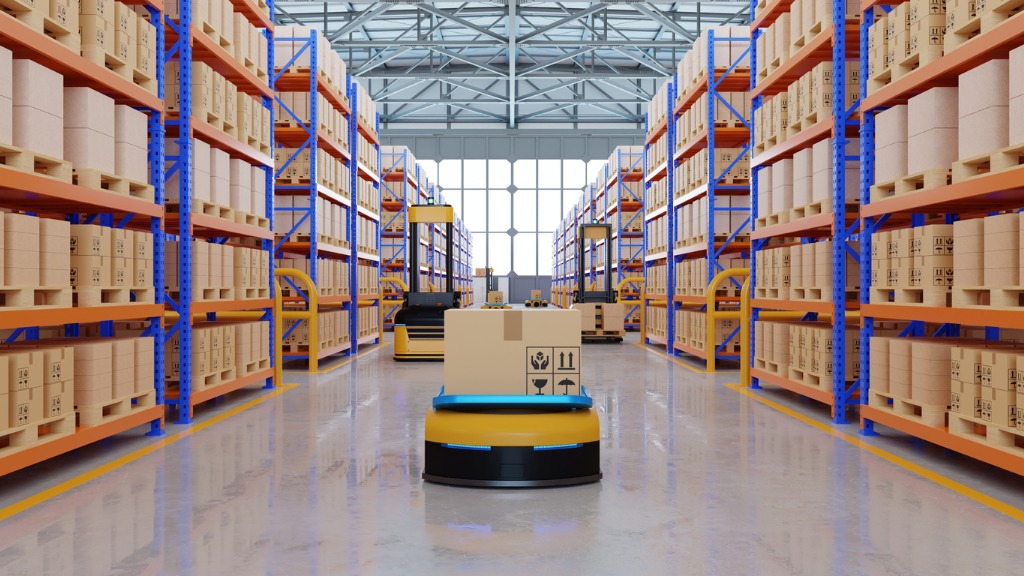

As a core layer of the Industrial Internet Connectivity Framework, the Data Distribution Service (DDS®) standard is the IIoT protocol that offers data-centricity and automates the Quality of Service (QoS) requirements of connected applications.
RTI Connext, based on the DDS standard, is the future-proof software connectivity framework that bridges legacy and modern systems, so that manufacturers can protect in-place investments while preparing for the future.
Enabling a new generation of intelligent distributed systems.



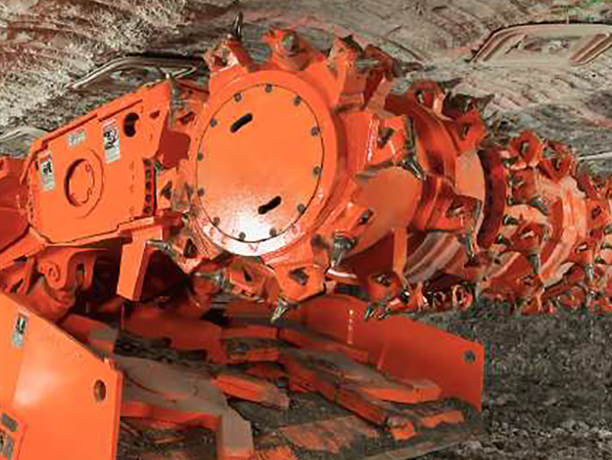

Komatsu
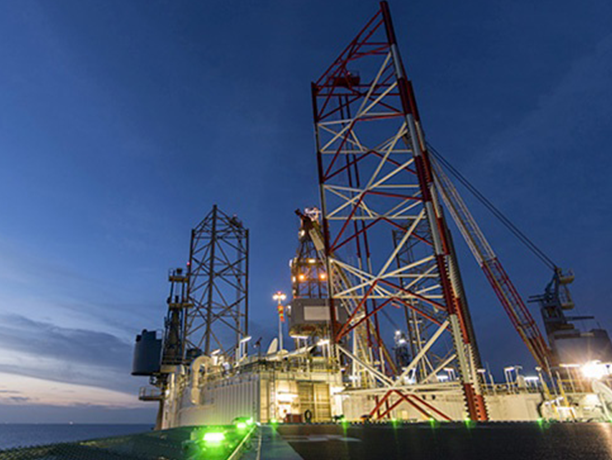
Construction and Mining Analytics
With Connext, Komatsu can manage and analyze equipment data in real-time, delivering intelligent capabilities and predictive maintenance.
634AI
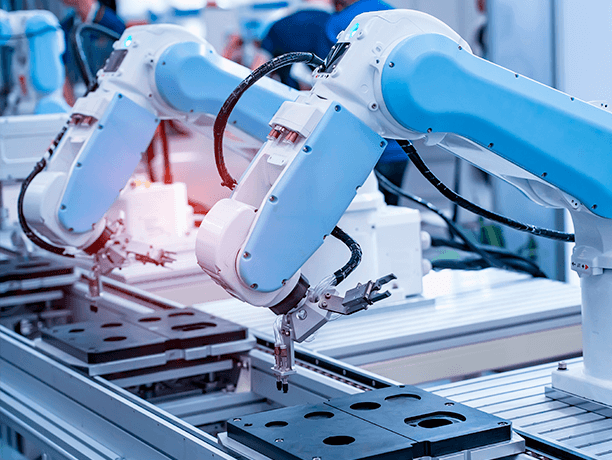
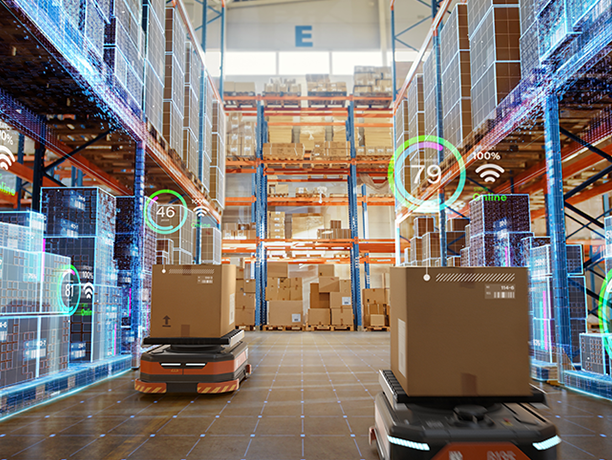
MAESTRO: Robot-as-a-Service at Your Service
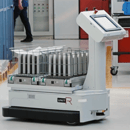
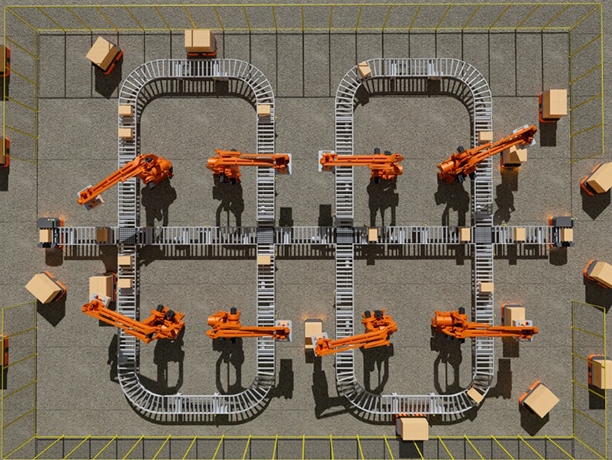
634AI uses RTI Connext for real-time hand-shake connectivity between its MAESTRO system and AMR platforms over Wi-Fi networks.
Securing Transportation Infrastructure
GE Transportation Advances Real-Time Control
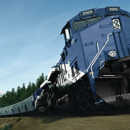
Connext enables GE Transportation to connect all data management systems together, plug in DDS-based components for increased functionality, and rely on software that meets stringent security certifications.
MT Robot AG
Swiss Manufacturer Deploys Connext to Ensure Precision Robotic Transport
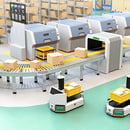
Transport robots use DDS to adapt and expand to tasks while seamlessly integrating with ERP and other software systems.
Human Robot Interaction Laboratory
European Space Agency
ESA uses Connext for communication and video to demonstrate long- distance object control from aboard the International Space Station (ISS).
Rail Tracking
Wi-Tronix Monitors High-Value Mobile Assets
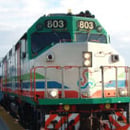
Wi-Tronix systems wirelessly monitor high-value mobile assets such as locomotives, industrial equipment and marine vessels. RTI addressed critical issues such as optimized flow and discovery process over a wireless network.
Training and Simulation
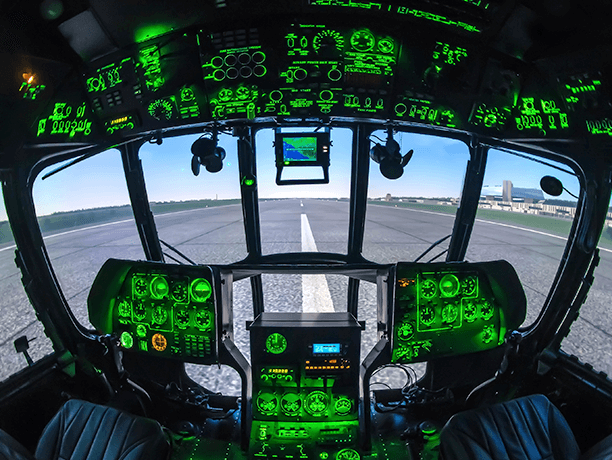
CAE
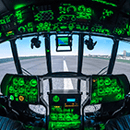
Pilots around the world consider CAE’s Sim XXI full-flight simulator to be the closest simulation of the true experience of flight. Connext helps to achieve this level of full-flight simulation.
High-speed Autonomous Race
Indy Autonomous Challenge
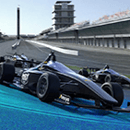
RTI Connext provides race teams with rapid design-test iteration capabilities and is the only technology that can integrate AUTOSAR, ROS 2 and the advanced simulation and modeling capabilities from Ansys — at peak performance and reliability.
Largest Power Plant in North America
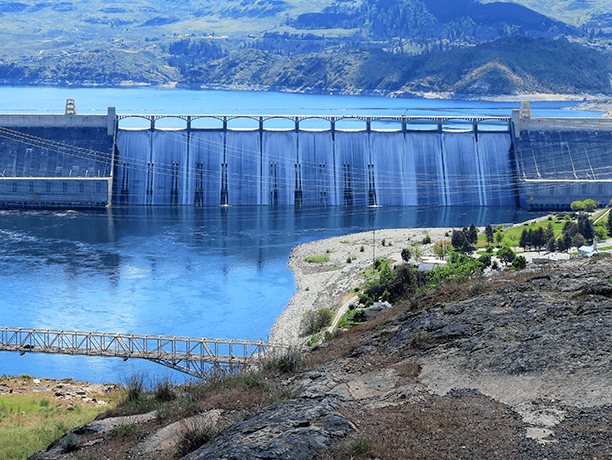
Grand Coulee Dam
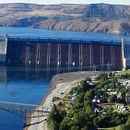
The US Army Corps of Engineers is replacing the plant's monolithic supervisory control and data acquisition (SCADA) system with a modern distributed system. The system's fundamental communications platform relies on Connext.
Smart Grid Distribution and Control
Microgrids and NI LabVIEW
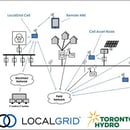
MicroGrids connect generation, load and storage to optimize usage. Deploying at Toronto Hydro, Connext seamlessly integrates apps, enforces security, and merges NI LabVIEW.
Distributed Power Generation
Siemens Wind Power
Connext enables fast control within wind turbines and distributed gust mitigation across the array. RTI will also integrate with predictive maintenance and business diagnostics.