 Success-Plan Services
Smart Grid
RTI Connext provides the flexible, connectivity framework required to develop the power grid of the future, while securely incorporating and protecting legacy equipment and protocols.
|
RTI Connext enables utilities to navigate the complex world of protecting in-place investment while modernizing, securing and preparing for the future.
As the energy industry continues to evolve, changes are happening at a faster rate: costs associated with Distributed Energy Resources (DERs) are dropping, retirement of centralized coal generation is gaining speed, and a desire for smart technologies is creating the need to transform legacy systems.
The RTI Connext databus provides industrial-strength security and data sharing, vastly improving ways to generate and distribute power today and into the future.
RTI is the largest software framework company for autonomous systems. RTI Connext, based on the DDS standard, is the world's leading architecture for developing intelligent distributed systems. Connext offers a purely data-centric architecture versus a traditional device-centric solution. Data centricity has an immediate impact on reducing system complexity, enhancing security and enabling automation; device files no longer need to reside in a central database for access across the enterprise.
From massive hydropower dams to the smallest microgrid distribution, Connext delivers a secure data-connectivity platform for all utility automation applications — from the legacy to the future of clean energy generation.
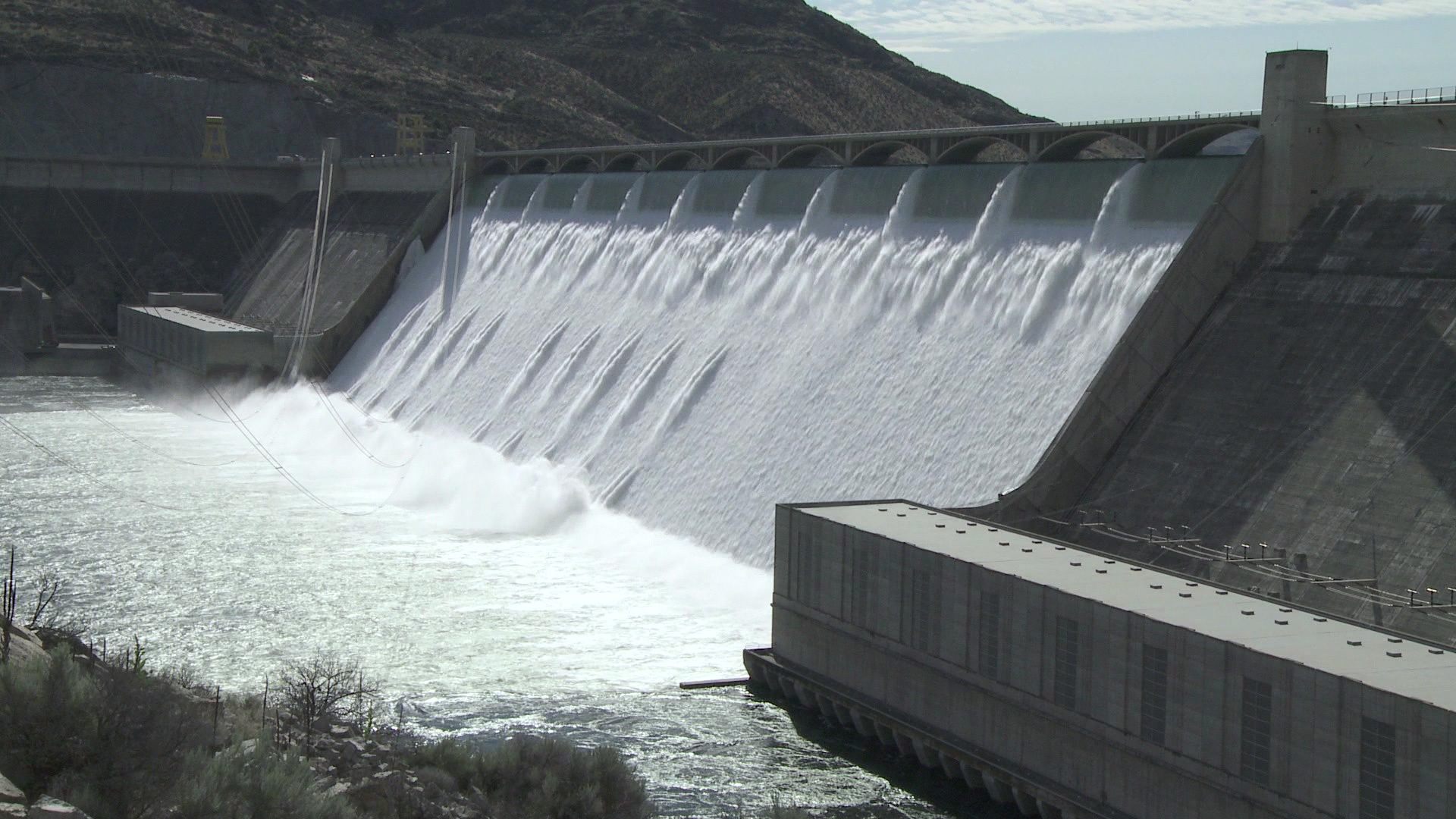
Largest Power Plant in North America
Grand Coulee Dam
The US Army Corps of Engineers is replacing the plant's monolithic supervisory control and data acquisition (SCADA) system with a modern distributed system. The system's fundamental communications platform relies on Connext.
Smart Grid Distribution and Control
Microgrids and NI LabVIEW
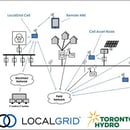
MicroGrids connect generation, load and storage to optimize usage. Deploying at Toronto Hydro, Connext seamlessly integrates apps, enforces security, and merges NI LabVIEW.
Distributed Power Generation
Siemens Wind Power
Connext enables fast control within wind turbines and distributed gust mitigation across the array. RTI will also integrate with predictive maintenance and business diagnostics.
RTI is a trusted partner to leading energy and power companies who are using Connext to develop their energy systems of tomorrow.